
[vc_row][vc_column][vc_column_text]
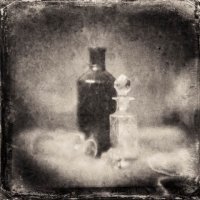
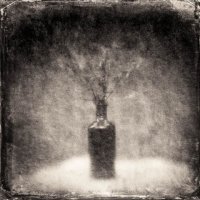
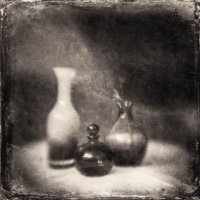
Still Series
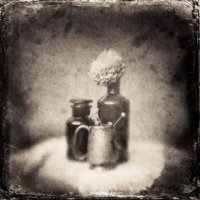

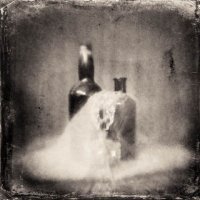
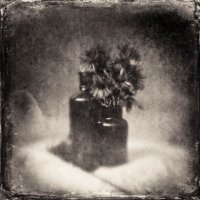
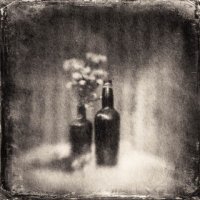
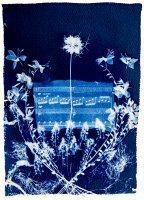
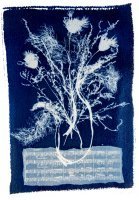
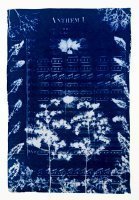
Penseroso Series
Growing up in a musical family, I learnt to play several woodwind instruments, in particular the clarinet. Following a trip to Europe with my mother in 2006, when we visited the homes and workplaces of many composers, music has become increasingly important to me.
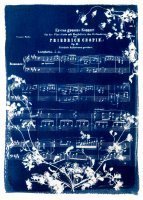
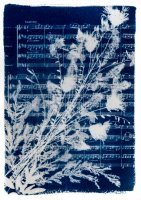
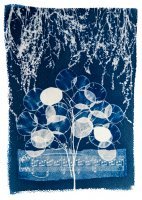
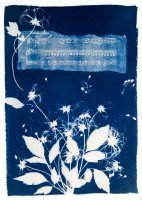
Penseroso is a musical term meaning ‘pensively, thoughtfully, meditatively’. This series came about as I listened to Beethoven’s Triple Concerto, especially the second movement ‘Largo’. On contemplating this masterpiece, I couldn’t help wondering how I would reinterpret ‘Largo’ in my own medium (cameraless photography). This series is the very personal result, reflecting some of my favourite works, and what they mean to me.
-
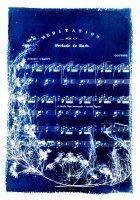
- Ave Maria
Shadows Series
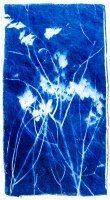
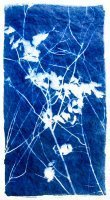
I’ve become fascinated with the light showing through the cherry tree in our garden, and the dancing shadows caused by the leaves as they move in a breeze. These works are my response to sunlight -so important to my photographic practice – through leaves.
Book Mark Series
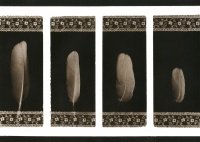
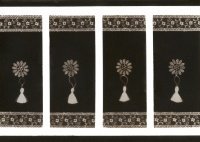
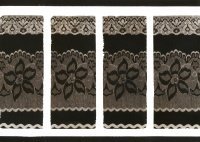
The Book Mark series was created during my time as artist in residence at the Fox Talbot Museum, Lacock. I was fascinated by the library in the Abbey, and the beautiful gold embossed spines of the books.
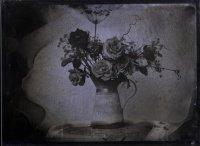
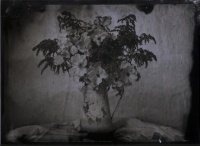
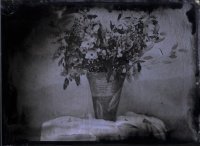
Ambrotype Series
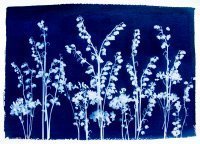
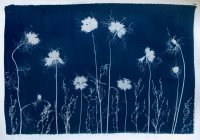
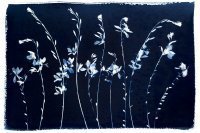
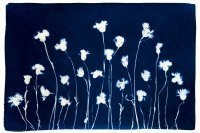
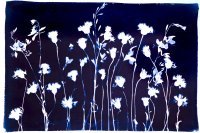
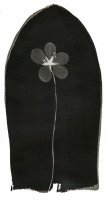
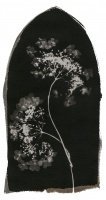
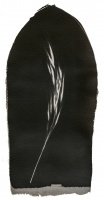
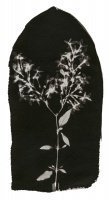
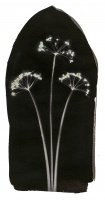
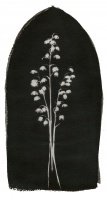
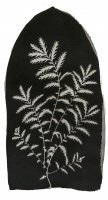
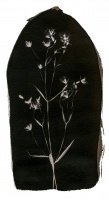
Wildflower Meadows Series
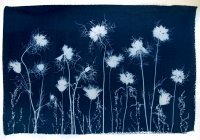
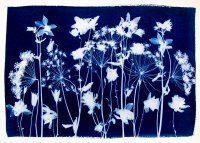
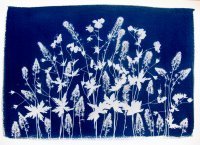
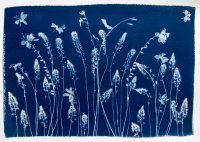
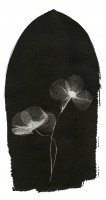
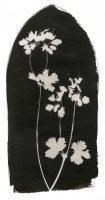
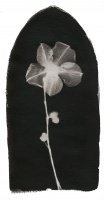
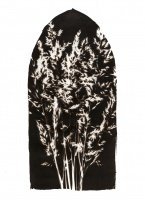
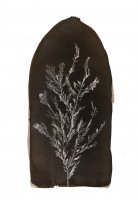
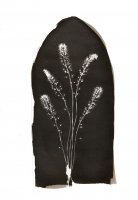
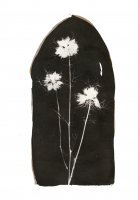
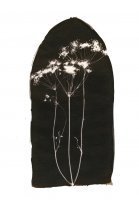
During several trips to England, my love of gardens and all things botanical has increased. In Wiltshire in particular, I became fascinated by the understated flowers found in wildflower meadows, something we don’t really have in New Zealand. This ongoing series celebrates the Wildflower Meadows of the UK.
Homage Series
Homage is a series of A1 cyanotypes based on the work of major classical music composers. The first was ‘Oratorio’, a reinterpretation of Handel’s Messiah. Recently completed is ‘Symphony’- Beethoven’s Eroica. There are many layers to each finished work, best appreciated by those who are able to read music, but hopefully visually appealing to those who don’t!
Cloisters Series
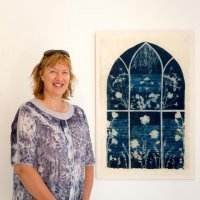
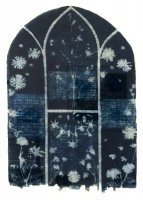
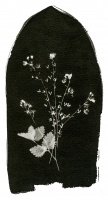
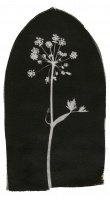
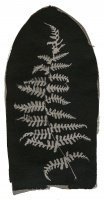
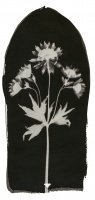
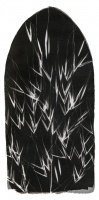
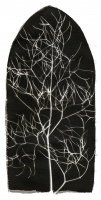
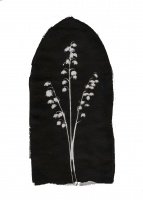
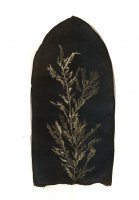
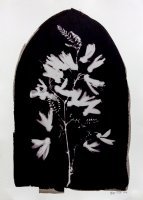
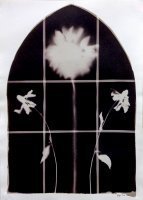
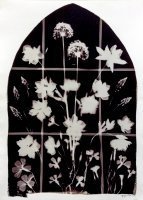
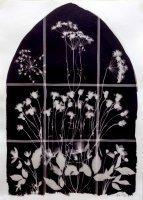
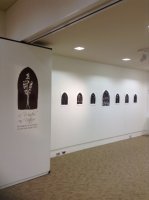
Originally an Augustinian nunnery, the cloisters are possibly the most peaceful part of Lacock Abbey. Dating back to 1232, the patterns, shapes and textures are fascinating. These images are intended to be representative of the cloisters, with the botanical specimens featured within each serving as a reminder of the work by William Henry Fox Talbot, and his invention of the photographic image.
[/vc_column_text][/vc_column][/vc_row]